Scientifically Ranked: Top Thermogenic Ingredients for Fat Burning
Embarking on a journey toward sustainable fat loss often involves navigating a sea of supplements and strategies, many of which promise rapid results with little scientific backing. The global weight management market, valued at USD 38.60 billion in 2024 and projected to reach USD 79.59 billion by 2035, reflects this intense interest, with thermogenic supplements emerging as the fastest-growing segment. This surge in popularity underscores a desire for solutions that can help individuals increase their energy expenditure. However, amidst the hype surrounding “fat burners,” a science-driven approach is crucial for understanding what truly works. This article explores the intricate world of thermogenesis, dissecting the scientific evidence to provide a clear, ranked guide to the most effective thermogenic ingredients available today.
What is Thermogenesis? Your Body’s Internal Furnace
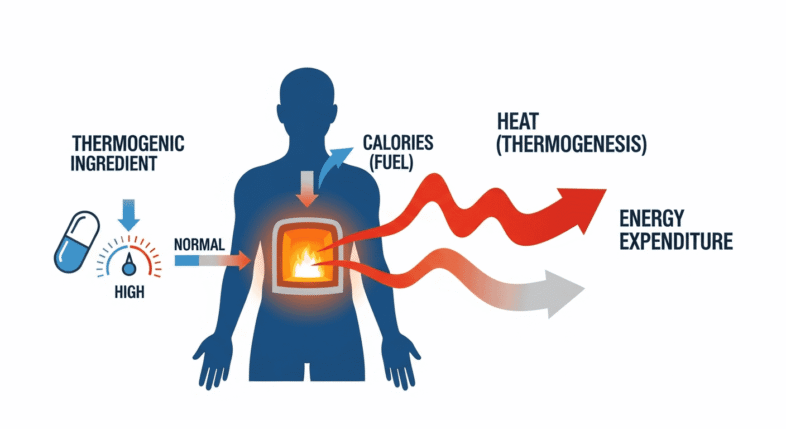
 Thermogenesis is your body’s process of producing heat, which burns calories. Certain ingredients can enhance this ‘internal furnace,’ increasing your overall energy expenditure.
Thermogenesis is the physiological process by which your body generates heat. This internal furnace plays a vital role in maintaining core body temperature, but it also directly impacts your daily energy expenditure. Essentially, any process that increases heat production also increases the number of calories your body burns. Understanding thermogenesis is fundamental to grasping how certain compounds can support fat loss by essentially turning up the heat on your metabolism.
Why Focus on Science? Beyond the Hype of Fat Burners
The market is saturated with products marketed as fat burners, often relying on proprietary blends and bold claims. However, many of these lack robust scientific validation. Focusing on science means looking beyond the marketing jargon to examine peer-reviewed studies and clinical trials. This evidence-based approach helps differentiate between ingredients with proven effects on metabolism and fat oxidation and those that offer little more than a placebo effect or temporary stimulation. Prioritizing scientifically ranked ingredients helps ensure you invest in effective tools for your fat-loss journey.
What You’ll Learn: Our Evidence-Based Ranking Approach
This guide aims to demystify thermogenic ingredients by presenting them in a scientifically ranked order. We will explore the fundamental science behind how your body burns calories, how thermogenic ingredients work, and the specific mechanisms they use. Our ranking is based on a rigorous methodology that evaluates the strength and consistency of scientific evidence, with a focus on measurable impacts on metabolic rate, energy expenditure, and fat oxidation. You will gain an understanding of the most potent compounds and how to best integrate them into a holistic fat loss strategy.
Understanding Thermogenesis: The Science Behind Fat Burning
Thermogenesis, the production of heat within the body, is an integral component of your overall energy balance. It’s not just about staying warm; it’s about the fundamental processes that dictate how many calories you burn throughout the day. By understanding these mechanisms, we can better appreciate how thermogenic ingredients can support fat loss.
How Your Body Burns Calories: Metabolism and Energy Expenditure
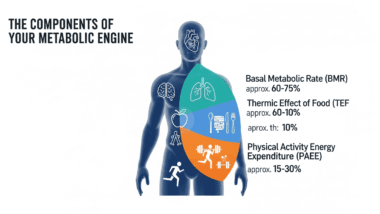
Your body burns calories through several key pathways. Resting Metabolic Rate (RMR), often synonymous with Basal Metabolic Rate (BMR), accounts for the largest portion of energy expenditure and covers the energy required for basic bodily functions such as breathing, circulation, and cell production at rest. The Thermic Effect of Food (TEF) is the energy used to digest, absorb, and metabolize food. Finally, energy expenditure through exercise and non-exercise activity thermogenesis (NEAT) also contributes significantly to your total daily calorie burn. Thermogenic ingredients primarily aim to increase your RMR and enhance the energy expenditure associated with fat oxidation.
Types of Thermogenesis:
Thermogenesis can be broadly categorized into several types:
- Diet-Induced Thermogenesis (DIT): This refers to the increase in energy expenditure following the consumption of food. It’s the energy used for digestion, absorption, and storage of nutrients.
- Exercise-Induced Thermogenesis: This is the increased energy expenditure that occurs during and after physical activity.
- Non-Shivering Thermogenesis: A crucial form of thermogenesis often influenced by thermogenic ingredients. It involves producing heat without muscle activity, primarily through mechanisms such as activating brown adipose tissue (BAT).
The Link Between Thermogenesis and Fat Oxidation
Thermogenesis and fat oxidation are intimately linked processes. When your body increases its heat production, it often does so by mobilizing and burning stored fat for energy. Fat oxidation is the metabolic process where fatty acids are broken down to produce ATP, the energy currency of the cell. Thermogenic ingredients can enhance this process by increasing the rate at which stored fat is accessed and utilized for energy production, thereby supporting fat loss.
How Thermogenic Ingredients Work: Mechanisms of Action
Thermogenic ingredients employ a variety of mechanisms to influence your body’s metabolism and support fat loss. These actions can lead to increased energy expenditure, enhanced fat oxidation, and greater overall calorie burn.
Boosting Metabolic Rate: Increasing Calorie Burn at Rest
Many thermogenic compounds work by directly influencing your metabolic rate. They can stimulate the sympathetic nervous system or modulate key metabolic enzymes, leading to an increase in the number of calories your body burns even when you are at rest. This sustained increase in resting energy expenditure contributes to a greater daily caloric deficit, crucial for fat loss.
Enhancing Fat Oxidation: Shifting Fuel Sources
Beyond simply increasing overall metabolism, some thermogenic ingredients specifically target fat oxidation. They can promote the breakdown of stored triglycerides in adipose tissue and increase the transport of fatty acids to the mitochondria for energy production. This shift towards using fat as a primary fuel source is a direct pathway to reducing body fat stores.
Activating Brown Adipose Tissue (BAT): The “Good Fat”
Brown Adipose Tissue (BAT), often referred to as “good fat,” is a specialized type of tissue that generates heat through non-shivering thermogenesis. Certain compounds can activate BAT, increasing its metabolic activity and promoting energy expenditure from stored fat. This activation is a promising avenue for supporting fat loss and improving metabolic health.
Stimulating Adrenaline and Noradrenaline Release
A common mechanism of thermogenic ingredients is to stimulate the release of catecholamines such as adrenaline (epinephrine) and noradrenaline (norepinephrine). These hormones signal the body to increase metabolic rate, mobilize fat stores for energy, and heighten alertness. This stimulation can increase heart rate and overall energy expenditure.
Modulating Glucose Regulation and Blood Sugar
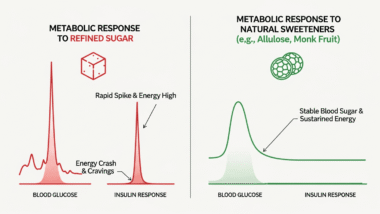
Some ingredients can influence how your body regulates glucose and blood sugar levels. By promoting more stable blood sugar, they can help reduce cravings and prevent excessive fat storage, indirectly supporting fat loss efforts by managing appetite and insulin response.
Our Scientific Ranking Methodology: What “Scientifically Ranked” Means
Our approach to ranking thermogenic ingredients is grounded in scientific integrity and evidence-based evaluation. We aim to provide a clear, objective hierarchy based on the strength of supporting research.
Criteria for Evaluation:
The ranking of each ingredient is determined by several key criteria:
- Quality of Scientific Studies: We prioritize findings from human clinical trials, meta-analyses, and well-designed observational studies.
- Consistency of Effects: Ingredients demonstrating consistent positive effects across multiple independent studies receive higher rankings.
- Magnitude of Effect: The extent to which an ingredient influences metabolic rate, energy expenditure, and fat oxidation is a significant factor.
- Safety Profile: A favorable safety profile and minimal adverse effects are considered.
- Mechanism of Action: A well-understood and scientifically validated mechanism of action enhances an ingredient’s credibility.
Differentiating Efficacy: From Strong Evidence to Supporting Roles
Ingredients are categorized based on the strength of evidence supporting their thermogenic and fat loss properties. Those with extensive, high-quality human data demonstrating significant and consistent effects are ranked highest. Ingredients with promising preliminary research or supporting roles in metabolic processes, but with less direct evidence for substantial thermogenic impact, are placed in secondary categories. This differentiation ensures clarity on the proven power of each compound.
The Top Scientifically Ranked Thermogenic Ingredients
Based on a comprehensive review of scientific literature, we present the top thermogenic ingredients, ranked by their efficacy and supporting evidence for promoting fat loss.
Caffeine: The Metabolism Amplifier
Caffeine is perhaps the most widely studied and utilized thermogenic compound. Its primary mechanism involves blocking adenosine receptors, which in turn increases the release of stimulating neurotransmitters like adrenaline. This leads to a temporary increase in metabolic rate, enhanced fat oxidation, and a notable boost in energy levels. Numerous studies have shown that caffeine can increase energy expenditure and promote fat burning. For instance, caffeine supplementation has been shown to increase fat burning by up to 17 percent, according to Nutrition Data from 2026. Furthermore, some studies on caffeine tablets report an average fat loss of 10 pounds over 12 weeks based on Medical Research from 2026. Its effects on the body include a temporary increase in heart rate and alertness, making it a popular choice for pre-workout and as a component in fat burners. However, individual tolerance varies, and excessive intake can lead to jitters, anxiety, and disrupted sleep.
Green Tea Extract (EGCG): The Catechin Powerhouse
Derived from green tea, the extract is rich in polyphenols, particularly epigallocatechin gallate (EGCG). EGCG is believed to enhance thermogenesis and fat oxidation by inhibiting an enzyme that breaks down norepinephrine, a hormone that signals cells to break down fat. This potent catechin can also increase energy expenditure. A review by Examine.com in 2024 indicates that supplementation with green tea extract reduced body weight by 0.65 kilograms and body fat percentage by 0.62%. The effects of green tea extract on the body are generally well-tolerated, offering a more moderate, sustained impact on metabolism compared to high-stimulant options.
Capsaicin & Capsaicinoids (from Chili Peppers, often as Capsimax)
Capsaicin, the compound responsible for the heat in chili peppers, is a well-documented thermogenic agent. It works by interacting with TRPV1 receptors in the body, triggering a cascade that increases energy expenditure, slightly raises core body temperature, and enhances fat oxidation. Studies suggest that encapsulated capsaicin promoted fat loss in as little as four weeks, as reported by Life Extension. It can also affect appetite, potentially reducing calorie intake.
Synephrine (from Citrus Aurantium / Bitter Orange)
Synephrine is a compound found in bitter orange extract that shares some structural similarities with ephedrine. It is known to stimulate metabolism and increase energy expenditure by activating adrenergic receptors, which can lead to lipolysis (the breakdown of fat). While it can boost metabolic rate, its use requires caution due to potential stimulant effects on heart rate and blood pressure, similar to other stimulants.
Forskolin (from Coleus Forskohlii)
Forskolin is an extract from the root of the Coleus Forskohlii plant. It activates an enzyme called adenylyl cyclase, which increases intracellular levels of cyclic AMP (cAMP). Elevated cAMP levels can stimulate lipolysis and thermogenesis, thereby increasing metabolic rate and promoting the breakdown of stored fat. Research suggests it can support fat loss by influencing the signaling pathways involved in fat metabolism.
L-Carnitine: The Fat Transporter
While not a direct stimulant or heat-producer in the same way as caffeine or capsaicin, L-Carnitine plays a crucial role in fat metabolism. It transports long-chain fatty acids into the mitochondria, where they are oxidized to produce energy. Supplementation with L-Carnitine has been shown to increase fat oxidation. A notable study reported that L-carnitine supplementation increased 13C-fat oxidation from 15.8% to 19.3% (P = .021), according to PubMed, 2004. Therefore, it supports fat loss by optimizing the body’s use of stored fat for energy.
Oleuropein (from Olive Leaf Extract)
Oleuropein, a polyphenol found in olive leaf extract, has demonstrated potential thermogenic effects. It may support fat loss by promoting fat oxidation, influencing glucose metabolism, and potentially activating brown adipose tissue. Research indicates it may modulate metabolic pathways that reduce fat accumulation and improve overall metabolic health.
Supporting Thermogenic Ingredients & Metabolic Cofactors
Beyond the primary thermogenic agents, several other compounds and essential nutrients play supporting roles in enhancing fat loss, optimizing metabolism, and ensuring the body’s systems function efficiently.
Yohimbine: A Potent Alpha-2 Adrenergic Antagonist
Yohimbine, derived from the bark of the Yohimbe tree, is a potent alpha-2 adrenergic antagonist. It works by blocking receptors that can inhibit fat breakdown. By doing so, yohimbine can promote the release of stored fat, particularly from stubborn areas, and enhance fat oxidation. Its stimulant properties can also increase energy expenditure. However, it is a potent compound that can cause significant side effects, including increased heart rate, anxiety, and blood pressure fluctuations, necessitating careful use and dosage.
Fucoxanthin (from Brown Seaweed)
Fucoxanthin is a carotenoid found in brown seaweed that has garnered attention for its potential thermogenic properties. Research suggests it may increase metabolic rate and promote fat oxidation by activating uncoupling proteins (UCPs) in adipose tissue, thereby increasing heat production. It may also influence genes involved in fat metabolism, contributing to overall fat loss.
Garcinia Cambogia (Hydroxycitric Acid – HCA)
Garcinia Cambogia, a tropical fruit, contains hydroxycitric acid (HCA). HCA is believed to support fat loss through two primary mechanisms: it may inhibit an enzyme called citrate lyase, which the body uses to produce fat, and it may increase serotonin levels, potentially reducing appetite and cravings and lowering overall calorie intake. While its direct thermogenic effects are debated, its role in appetite control can indirectly aid fat loss.
Metabolic Cofactors: The Unsung Heroes
Essential vitamins and minerals act as cofactors for numerous enzymatic reactions within the metabolism. Without adequate levels, the body’s ability to efficiently convert food into energy, mobilize fat, and support thermogenesis is compromised. Key examples include:
- B Vitamins (B1, B2, B3, B5, B6, B12): Crucial for carbohydrate, fat, and protein metabolism, converting macronutrients into usable energy.
- Iron: Essential for oxygen transport and mitochondrial function, both vital for energy production and fat oxidation.
- Magnesium: Involved in over 300 enzymatic reactions in the body, including those related to energy production and muscle function.
- Zinc: Plays a role in enzyme activity and hormone regulation that impacts metabolism.
Ensuring adequate intake of these cofactors through diet or supplementation is fundamental to optimal metabolic function and to supporting the effects of thermogenic ingredients.
Beyond Ingredients: Holistic Strategies for Fat Loss
While potent thermogenic ingredients can provide a valuable edge, they are most effective when integrated into a comprehensive lifestyle strategy. The goal of fat loss is multifaceted, and relying solely on supplements is rarely a sustainable solution.
Diet and Caloric Deficits: The Foundation
At its core, fat loss requires a consistent caloric deficit, meaning you consume fewer calories than your body expends. Thermogenic ingredients can help increase the expenditure side of this equation, but a balanced, nutrient-dense diet remains the cornerstone. Focusing on whole foods, lean proteins, healthy fats, and complex carbohydrates supports overall health and satiety, making adherence to a caloric deficit more manageable.
Exercise Routine: Amplifying Energy Expenditure
Regular physical activity is a powerful tool for increasing energy expenditure, building lean muscle mass (which further boosts resting metabolism), and improving cardiovascular health. Combining exercise with thermogenic ingredients can increase energy expenditure and fat burning during workouts and recovery. A well-rounded routine that incorporates both cardiovascular exercise and strength training is optimal.
Prioritizing Sleep: Regulating Metabolism and Hormones
Adequate, quality sleep is critical for hormonal balance, including the regulation of ghrelin and leptin (appetite hormones) and cortisol (stress hormone). Poor sleep can disrupt metabolism, increase cravings for high-calorie foods, and hinder fat loss efforts. Prioritizing 7-9 hours of quality sleep per night is essential for optimal metabolic function and recovery.
Stress Management: Impacting Adrenaline and Cortisol
Chronic stress elevates cortisol levels, which can promote fat storage, particularly in the abdominal region, and interfere with metabolism. Finding effective stress-management techniques, such as mindfulness, meditation, or yoga, can help regulate adrenaline and cortisol levels, supporting a healthier metabolic environment conducive to fat loss.
Hydration: Supporting Metabolic Processes
Water is essential to all metabolic processes in the body, including nutrient transport, waste removal, and temperature regulation. Staying adequately hydrated helps your metabolism function at its peak, supporting overall energy expenditure and aiding the mobilization and elimination of metabolic byproducts.
Conclusion
Navigating the world of fat burners and thermogenic ingredients can be complex, but a science-backed approach offers clarity and efficacy. Thermogenesis, the body’s internal heat-producing process, is a key driver of energy expenditure and plays a vital role in fat loss. Ingredients such as caffeine, green tea extract, and capsaicin have demonstrated significant potential to boost metabolic rate, enhance fat oxidation, and increase overall calorie burn through well-understood mechanisms.
Our scientifically ranked approach shows that while many compounds can influence metabolism, their impact and supporting evidence vary. Caffeine is known for its potent, well-researched effects on energy and metabolism, while green tea extract offers a gentler yet effective approach. Ingredients like L-Carnitine play a crucial supporting role by optimizing fat transport for energy. However, it’s imperative to remember that these ingredients are most effective when integrated into a holistic strategy. A foundation of balanced nutrition, regular exercise, quality sleep, and stress management is indispensable for sustainable fat loss. By understanding the science behind thermogenic ingredients and combining them with lifestyle modifications, you can optimize your body for greater success on your fat-loss journey.
Always consult with a healthcare professional before starting any new supplement regimen to ensure it aligns with your individual health needs and goals.