GLP-1 vs. Fat Burners For Weight Loss: Which Ignites Your Metabolism Better?
Unraveling the Science of Metabolic Ignition for Weight Loss
The quest for effective weight loss often leads individuals to explore various methods aimed at “igniting” their metabolism. In recent years, two prominent categories have emerged: Glucagon-Like Peptide-1 (GLP-1) receptor agonists and over-the-counter “fat burner” supplements. Both promise to accelerate metabolic processes, yet their scientific underpinnings, mechanisms of action, and overall impact on health differ dramatically. Understanding these distinctions is crucial for making informed decisions about your weight loss journey.
The Quest for an “Ignited Metabolism”
The idea of an “ignited metabolism” is alluring. It suggests a body that efficiently burns calories, making weight loss feel more accessible and sustainable. This desire is fueled by the often slow and challenging nature of traditional diet and exercise regimens. The market is saturated with products and strategies claiming to boost metabolic rate, but the efficacy and safety of these approaches vary wildly. Many individuals turn to supplements with bold claims, while others explore medically supervised options, such as GLP-1 medications, which have gained significant traction. The GLP-1 Analogues Market Size, valued at USD 62.81 billion in 2024, is projected to reach an astounding USD 299.08 billion by 2033, growing at a CAGR of 17.6% during the forecast period (2025–2033) [GLP-1 Analogues Market Size Report, 2025]. This surge highlights a growing reliance on these pharmaceutical interventions for weight management.
What This Article Will Cover
This article will demystify the concept of metabolic ignition, dissecting what it truly means from a physiological perspective. We will provide a comprehensive overview of your body’s metabolism, explaining its core components and how they influence weight loss. Subsequently, we will delve into the science behind GLP-1 medications, exploring their multifaceted metabolic effects, clinical evidence, and suitability for various individuals. We will then critically examine “fat burner” supplements, analyzing their purported mechanisms, the scientific evidence supporting their claims, and their associated risks. Finally, we will present a direct comparison between GLP-1s and fat burners, illuminating their differences in efficacy, safety, and long-term impact, before underscoring the indispensable role of lifestyle changes in achieving sustainable metabolic health and weight loss.
Understanding Your Metabolism: The Engine of Weight Loss
 Your total daily metabolism is primarily composed of your Basal Metabolic Rate (BMR), the energy used for digestion (TEF), and the calories burned during physical activity (PAEE).
To grasp the difference between genuine metabolic support and marketing hype, it’s essential to understand what metabolism is and how it functions.
What is Metabolism?
Metabolism refers to the complex set of chemical processes that occur within your body to sustain life. It encompasses all the ways your body converts the food and drinks you consume into energy. This energy is used for everything from basic bodily functions like breathing and circulation to physical activity and cell repair. The rate at which your body burns calories is a direct reflection of your metabolic activity.
Basal Metabolic Rate (BMR) and Resting Metabolic Rate (RMR)
Two key components of metabolism are the Basal Metabolic Rate (BMR) and the Resting Metabolic Rate (RMR). BMR represents the minimum number of calories your body needs to perform essential life-sustaining functions while at complete rest, such as breathing, maintaining body temperature, and circulating blood. RMR is a closely related measurement, often used interchangeably, that measures calorie expenditure during a period of rest without specific conditions like fasting or being in a physically relaxed state. Factors like muscle mass, age, genetics, and hormonal balance significantly influence both BMR and RMR. Individuals with higher muscle mass, for instance, generally have a higher RMR because muscle tissue is metabolically more active than fat tissue.
How Metabolism Influences Weight Loss
The fundamental principle of weight loss is achieving a calorie deficit: burning more calories than you consume. Your metabolism plays a pivotal role in this equation. A higher metabolic rate means your body burns more calories at rest and during activity, making it easier to create that deficit. Conversely, a slower metabolism requires a more stringent calorie reduction or increased exercise to achieve weight loss. Effectively, your metabolism is the engine that determines how many calories your body expends daily.
Key Metabolic Factors Affecting Weight: Hormones, Insulin Resistance, and Fat Metabolism
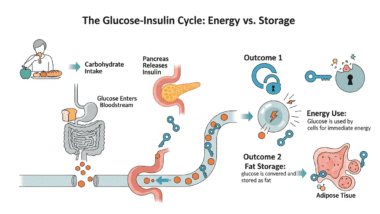
Beyond BMR and RMR, several critical factors influence how your body processes energy and stores fat. Hormones like leptin (which signals satiety) and ghrelin (which stimulates appetite) are crucial regulators of hunger and fullness. Insulin resistance, a condition where cells don’t respond effectively to insulin, can lead to increased fat storage, particularly around the abdomen, and disrupt overall metabolic function. Furthermore, the body’s ability to effectively metabolize fat—breaking it down for energy—is a key determinant of body composition and weight management. These intricate hormonal and biochemical pathways highlight that metabolism is not a simple on/off switch but a dynamic, finely tuned system.
GLP-1 Medications: A Comprehensive Look at Their Metabolic Impact
GLP-1 receptor agonists represent a class of medications that have revolutionized the management of type 2 diabetes and obesity by mimicking a natural hormone.
What Are GLP-1 Receptor Agonists?
Glucagon-Like Peptide-1 (GLP-1) is an incretin hormone naturally produced in the gut in response to food intake. GLP-1 receptor agonists are synthetic drugs designed to mimic the actions of this hormone. They are primarily used to help manage blood sugar levels in individuals with type 2 diabetes and, more recently, for chronic weight management in individuals with obesity or overweight with at least one weight-related comorbidity.
How GLP-1s Work Beyond Appetite Suppression
While appetite suppression is a primary benefit, GLP-1s exert a more comprehensive influence on metabolic processes. They slow down gastric emptying, meaning food stays in the stomach longer, leading to a prolonged feeling of fullness and reduced overall food intake. GLP-1s also act on the brain to increase satiety signals, further curbing hunger. Crucially, they stimulate insulin secretion from the pancreas in a glucose-dependent manner (meaning they only trigger insulin release when blood sugar levels are high) and suppress glucagon release, both of which contribute to improved blood sugar control. These mechanisms collectively influence how the body utilizes and stores energy, supporting weight loss and improving metabolic health.
Key FDA-Approved GLP-1 Medications for Weight Loss
Several GLP-1 medications are FDA-approved for weight loss, often prescribed as injections. These include Wegovy (semaglutide), which has shown remarkable efficacy. Semaglutide itself is the generic name for the active ingredient in Wegovy. Another powerful option is tirzepatide, a dual GIP (glucose-dependent insulinotropic polypeptide) and GLP-1 receptor agonist, which often leads to even greater weight loss. These medications have transformed weight management strategies. The prescribing trends reflect their growing importance; among GLP-1 RA users, only 5% were prescribed semaglutide in 2018, while in 2023 this number rose to 63% [The American Journal of Managed Care, 2025].
Clinical Evidence and Efficacy for Weight Loss
Clinical trials have consistently demonstrated the significant efficacy of GLP-1 medications for weight loss. Studies have shown average weight loss of 7.7% of body weight on semaglutide and 12.4% on tirzepatide after one year in real-world settings [HealthVerity Blog, 2025], and even higher percentages in randomized controlled trials. For instance, participants using high-dose semaglutide have achieved an average loss of 15% of their body weight. Tirzepatide has demonstrated an even greater impact, with average weight loss reaching up to 20-22%. Beyond overall weight loss, these medications have also been shown to reduce visceral fat, the dangerous fat surrounding internal organs, and improve cardiovascular health markers, further supporting overall metabolic health.
Safety Profile and Common Side Effects
Like all medications, GLP-1 receptor agonists have potential side effects. The most common are gastrointestinal in nature, including nausea, vomiting, diarrhea, and constipation. These effects are often dose-dependent and tend to improve over time or with dose adjustments. Less common but more serious side effects can include pancreatitis, gallbladder problems, and a potential risk of thyroid C-cell tumors (observed in animal studies, with the human risk considered low). It is crucial to discuss your full medical history and any concerns with your healthcare provider before starting these medications.
Who is a Candidate for GLP-1 Medications? (BMI, Co-morbidities like type 2 diabetes, obesity, high blood pressure)
GLP-1 medications for weight loss are typically prescribed for individuals who meet specific criteria. Generally, this includes adults with a body mass index (BMI) of 30 or higher (obesity) or a BMI of 27 or higher (overweight) who also have at least one weight-related comorbidity. These comorbidities can include type 2 diabetes, high blood pressure, sleep apnea, or cardiovascular disease. In 2023, obesity rates for U.S. adults were at or higher than 35 percent in twenty-three states, highlighting the significant need for effective weight management solutions [TFAH, 2024]. More than 2% of Americans are taking GLP-1 drugs for overweight or obesity in 2024, up nearly 600% over six years [FAIR Health, 2025]. A thorough medical evaluation by a healthcare professional is essential to determine candidacy, considering individual health status, medical history, and potential risks.
Deconstructing “Fat Burners”: Hype, Science, and Metabolic Claims
The market for “fat burner” supplements is vast and promises quick metabolic boosts. However, the reality behind these products is often less impressive and potentially more risky than advertised.
Defining “Fat Burners”: Prescription vs. Over-the-Counter Supplements
It’s important to distinguish between genuine prescription weight loss medications and the broad category of over-the-counter (OTC) “fat burner” supplements. Prescription medications are rigorously tested for safety and efficacy by regulatory bodies like the FDA. OTC supplements, on the other hand, are not subject to the same level of scrutiny. They are marketed with claims of increasing metabolism, enhancing fat oxidation, and boosting energy, but their formulations and efficacy are often unproven. The global fat burner supplement market size was valued at approximately USD 4.5 billion in 2023 and is expected to reach USD 8.1 billion by 2032, growing at a compound annual growth rate (CAGR) of 6.8% [Dataintelo, 2024], indicating a significant consumer interest driven by potent marketing.
Common “Fat Burning” Ingredients and Their Purported Mechanisms
Many “fat burner” supplements rely on a cocktail of ingredients, often including stimulants like caffeine, green tea extract, and various botanical compounds. Caffeine is purported to temporarily increase energy expenditure and promote fat oxidation. Green tea extract contains compounds like catechins and caffeine, which are claimed to enhance metabolism and fat burning. Other popular ingredients include L-carnitine, which is claimed to help transport fatty acids for energy, and conjugated linoleic acid (CLA), thought to reduce body fat. However, the scientific evidence for significant and sustained metabolic effects from these ingredients, particularly in the context of actual weight loss, is often weak or contradictory.
Scientific Evidence and Effectiveness: Do They Truly “Ignite” Metabolism?
The scientific evidence supporting the claims of most “fat burner” supplements is limited and often unconvincing. While some ingredients, like caffeine, can provide a modest, temporary increase in metabolism, the overall impact on significant weight loss is negligible compared to lifestyle changes. A 2021 review in Nutrition and Health found that a thermogenic fat burner may provide limited benefits and was less effective than exercise alone or diet combined with exercise [ISSA, 2022]. Furthermore, a 2024 meta-analysis of 68 randomized controlled trials involving over 12,000 participants found that nutraceuticals marketed as fat burners produced only modest reductions in body-fat percentage, averaging −1.8% [Beam Imagination, 2025]. This suggests that while some ingredients might offer a slight metabolic nudge, they do not “ignite” metabolism in a way that leads to substantial or sustainable weight loss.
Safety, Risks, and Regulatory Landscape
A significant concern with OTC fat burners is the lack of robust regulation. Supplements are not regulated by the FDA in the same way as pharmaceutical drugs, meaning their ingredients may not be pure, potent, or accurately listed on the label. This can lead to several risks, including contamination with harmful substances, undisclosed ingredients, or doses that are too high. Common side effects can include jitters, increased heart rate, anxiety, insomnia, and digestive upset. In some cases, particularly with products containing undisclosed stimulants or banned substances, more serious cardiovascular issues can arise. Additionally, there is a growing concern about the “black market” where unapproved and potentially dangerous GLP-1 analogues are sometimes disguised and sold as weight loss supplements, posing severe health risks [Intelligence Brief].
GLP-1 vs. Fat Burners: A Direct Metabolic Showdown
When directly comparing GLP-1 medications and fat burner supplements, the differences in their approach to metabolic health and weight loss become starkly apparent.
Mechanism of “Metabolism Ignition” Compared
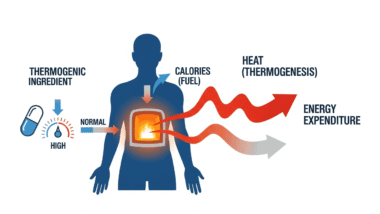
GLP-1 medications work through a sophisticated hormonal pathway. They mimic a natural hormone to regulate appetite, increase satiety, slow digestion, and improve blood sugar control. This leads to a natural reduction in calorie intake and improved metabolic signaling. In essence, GLP-1s tune the body’s metabolic engine for better efficiency and regulation. Fat burners, conversely, typically rely on stimulants to temporarily increase heart rate and energy expenditure (thermogenesis) or on unproven biochemical pathways. They offer a temporary “spark” rather than a sustained, regulated ignition. The effects are often superficial and do not address the underlying hormonal imbalances that can hinder weight loss.
Efficacy and Consistency in Weight Loss
The efficacy of GLP-1 medications in promoting significant and consistent weight loss is well-documented in numerous clinical trials and real-world studies. As noted, average weight loss figures of 15-22% are achievable with these medications. Fat burner supplements, however, show highly variable and often negligible results. The limited scientific evidence suggests minimal impact on body fat percentage, and any observed effects are often short-lived and highly dependent on individual physiology and other lifestyle factors. A 2021 review found that thermogenic fat burners were less effective than exercise alone or diet combined with exercise [ISSA, 2022], and a meta-analysis showed only a −1.8% reduction in body-fat percentage on average [Beam Imagination, 2025].
Long-Term Sustainability and Metabolic Adaptation
GLP-1 medications are designed for chronic disease management, including obesity. When used as part of a comprehensive treatment plan that includes diet and exercise, they support sustainable weight loss and maintenance. Their mechanisms address fundamental aspects of appetite and metabolic signaling. Fat burners, on the other hand, are generally not designed for long-term use. The body can develop tolerance to stimulants, diminishing their effects over time. They do not offer a pathway for sustained metabolic adaptation or long-term weight management.
Safety, Regulation, and Medical Oversight
The safety profiles of GLP-1 medications are extensively studied, and they are prescribed and monitored by healthcare professionals. This medical oversight ensures appropriate use, dosage adjustments, and management of potential side effects. Fat burner supplements operate in a largely unregulated space. Their safety is not guaranteed, ingredient purity is questionable, and the risk of adverse effects from unknown or poorly dosed compounds is significant. There is also the danger of counterfeit products or unregulated ingredients being present.
Holistic Impact on Metabolic Health
GLP-1 medications offer a holistic impact on metabolic health beyond just weight loss. By improving blood sugar control and insulin sensitivity, they can reduce the risk of cardiovascular events and manage conditions like type 2 diabetes. Fat burners, conversely, typically lack any positive impact on broader metabolic markers. Their stimulant content can even be detrimental to cardiovascular health for some individuals.
The Non-Negotiable Foundation: Lifestyle Changes for True Metabolic Health
Regardless of whether one considers GLP-1 medications or other interventions, sustainable weight loss and optimal metabolic health are impossible without a strong foundation of lifestyle changes.
The Synergistic Power of Diet and Exercise
A nutrient-dense diet, focused on whole foods, lean proteins, healthy fats, and complex carbohydrates, is essential for providing the body with the fuel it needs while supporting a calorie deficit. Portion control is also key. Exercise plays a dual role: cardiovascular exercise burns calories and improves heart health, while strength training builds muscle mass. Increased muscle mass directly boosts your resting metabolic rate, meaning you burn more calories even at rest. Both diet and exercise work synergistically to create an environment conducive to weight loss and metabolic health.
The Broader Impact of Sleep, Stress Management, and Hydration
Beyond diet and exercise, other lifestyle factors profoundly influence metabolism. Chronic stress can elevate cortisol levels, promoting fat storage and increasing appetite. Poor sleep disrupts hormones that regulate hunger and satiety, making weight loss more challenging. Adequate hydration is crucial for numerous bodily functions, including metabolic processes. Prioritizing these aspects of well-being is integral to managing metabolism effectively.
Why Lifestyle Changes are Crucial, Regardless of Intervention
Even with powerful medications like GLP-1s, lifestyle changes are critical. They maximize the efficacy of the medication, contribute to more sustainable results, and improve overall health. Without dietary adjustments and increased physical activity, the weight loss achieved with medications may be less significant or harder to maintain long-term. Lifestyle changes provide the essential maintenance and fuel for the metabolic engine that medications help to regulate.
Making an Informed Decision: Which Path is Right for You?
Deciding on a weight loss strategy requires careful consideration and professional guidance.
The Importance of a Medical Evaluation
Before embarking on any weight loss plan, especially one involving medication or significant dietary changes, consulting a healthcare professional is paramount. A doctor can assess your individual health status, identify any underlying medical conditions, and help you understand the potential risks and benefits of different approaches.
Considering Your Individual Metabolic Profile and Health Conditions
Your personal metabolic profile, including your BMI, presence of conditions like type 2 diabetes or high blood pressure, and your overall health history, will dictate the most appropriate and effective path for you. What works for one person may not be suitable for another.
Setting Realistic Expectations for Weight Loss and Metabolic Improvement
Weight loss is a journey, not a race. It’s important to set realistic expectations for both the pace of weight loss and the degree of metabolic improvement. Focusing on long-term health and sustainable habits, rather than quick fixes, is key to lasting success.
Understanding the Commitment: Prescription vs. Supplement Use
GLP-1 medications require a commitment to adherence, regular medical follow-ups, and often a significant financial investment. Over-the-counter supplements may seem easier to adopt, but their lack of proven efficacy and potential risks mean that the commitment might be to something that yields little to no benefit and could even be harmful.
Conclusion: Igniting Your Metabolism for Sustainable Weight Loss
The question of whether GLP-1 medications or fat burners truly ignite your metabolism for weight loss yields a clear answer based on scientific evidence and regulatory oversight. GLP-1 receptor agonists offer a scientifically validated, medically supervised approach that works by regulating key hormones involved in appetite, satiety, and blood sugar control, leading to significant and sustained weight loss. Their impact on metabolic health extends beyond weight reduction, improving crucial physiological markers.
In stark contrast, “fat burner” supplements largely rely on marketing hype and often lack robust scientific backing. Their mechanisms are typically limited to temporary stimulant effects or unproven biochemical pathways, offering minimal and inconsistent results. The unregulated nature of the supplement market also poses significant risks to safety and health.
While GLP-1 medications provide powerful support, they are most effective when integrated with a foundational commitment to healthy lifestyle changes—including a balanced diet, regular exercise, sufficient sleep, and stress management. These habits are the bedrock of true metabolic health and long-term weight management, ensuring that any intervention works synergistically to support your body’s natural processes. Making an informed decision involves understanding the science, consulting with healthcare professionals, and prioritizing sustainable health over quick, unproven fixes. The future of metabolic weight loss lies in targeted, evidence-based strategies that work in harmony with a healthy lifestyle.