How To Manage Weight With OTC CGM
The quest for effective weight management often feels like navigating a complex maze, where generic advice frequently falls short of delivering personalized results. In this landscape, a powerful new tool has emerged, offering unprecedented insight into our body’s unique metabolic responses: the over-the-counter (OTC) Continuous Glucose Monitor (CGM). Once exclusive to diabetes management, CGMs are now accessible to everyone, democratizing the ability to understand how food, exercise, and lifestyle choices directly influence our glucose levels – a critical, often overlooked, factor in weight management. This guide will illuminate how leveraging an OTC CGM can transform your approach to losing weight, fostering sustainable habits, and achieving a healthier metabolism from the inside out.
Unlock Your Metabolism: Why Personalized Glucose Data is Key for Weight Management
The effectiveness of any weight management strategy hinges on understanding your body’s individual responses. Generic dietary plans and exercise routines, while helpful for some, fail to account for the vast biological differences that dictate how individuals process food, store energy, and manage cravings. This is where personalized data becomes indispensable.
The Limits of Generic Weight Loss Advice
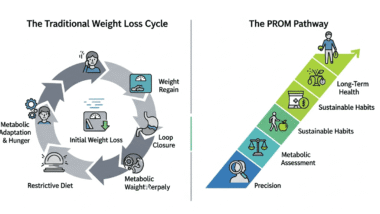
For decades, weight management advice has largely revolved around the calorie-in, calorie-out model, supplemented by broad nutritional guidelines and exercise recommendations. While these principles hold some truth, they operate on a population average, not an individual’s unique metabolic reality. Factors like genetics, gut microbiome, hormonal balance, and even daily stress levels create a complex interplay that influences how efficiently your body burns fat, how often you experience hunger or cravings, and how effectively it responds to different foods. Generic advice often overlooks these nuances, leading to frustration, plateaus, and a sense of personal failure when a universally recommended diet doesn’t yield the expected results. This disconnect highlights the need for a more intimate understanding of our internal metabolic processes.
From Guesswork to Glimpse: How Your Body Truly Responds (Metabolic Health, Insulin, Energy)
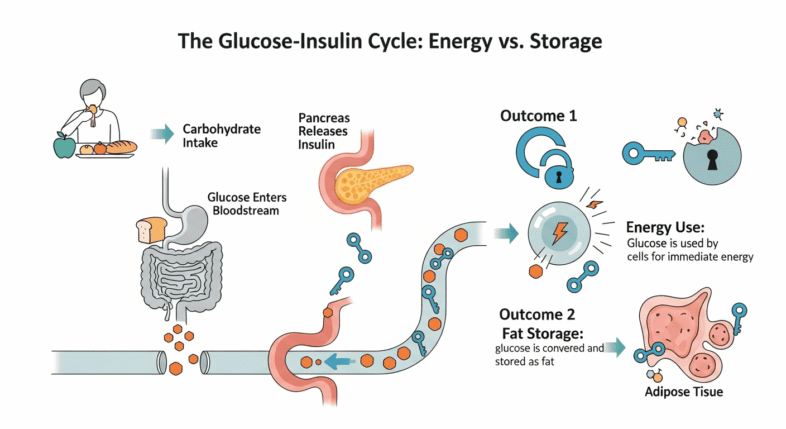
 When you eat, your blood glucose rises, prompting insulin release. Insulin helps your cells use glucose for immediate energy or store the excess for later, often as fat.
A Continuous Glucose Monitor (CGM) offers a revolutionary shift from guesswork to informed observation. By continuously tracking your glucose levels throughout the day and night, it provides a real-time window into your metabolic health. Glucose, derived from the carbohydrates you consume, is the body’s primary source of energy. However, its levels must be tightly regulated by insulin, a hormone produced by the pancreas. When you eat carbohydrates, glucose enters your bloodstream, prompting insulin release. Insulin’s primary role is to help cells absorb glucose for energy or to store excess glucose as glycogen or fat.
This glucose-insulin cycle is central to weight management. Frequent or significant spikes in blood glucose levels trigger corresponding surges in insulin. High insulin levels signal the body to store fat and inhibit fat burning. Moreover, sharp glucose drops that often follow these spikes can lead to intense hunger, fatigue, and cravings for more high-carbohydrate foods, perpetuating a cycle that hinders weight loss efforts. Understanding these patterns through a CGM allows you to see precisely which foods and activities cause these fluctuations, empowering you to make targeted adjustments that support sustained energy, enhanced fat metabolism, and reduced cravings.
Your First Step: Understanding Over-the-Counter CGMs
The advent of over-the-counter (OTC) CGMs marks a significant democratization of health technology, making sophisticated metabolic tracking accessible to a broader audience than ever before. This technology, once primarily for those managing diabetes, now serves as a powerful tool for anyone seeking to optimize their health and weight.
What is an OTC CGM? The Technology Explained (Sensor, Biosensor, Real-time, Wearable, Glucose biosensors)
An Over-the-Counter (OTC) Continuous Glucose Monitor (CGM) is a small, wearable device designed to measure glucose levels in the interstitial fluid (the fluid surrounding cells) continuously. The system typically consists of two main components: a disposable sensor and a transmitter (often integrated into the sensor or a separate piece). The sensor contains microscopic glucose biosensors that react with glucose in the interstitial fluid. This reaction generates an electrical signal proportional to the glucose concentration. The transmitter then wirelessly sends this data in real-time to a compatible smartphone or reader.
This wearable technology provides continuous glucose tracking, offering a detailed timeline of your body’s glucose fluctuations throughout the day and night, unlike traditional finger-prick blood glucose meters that provide only a snapshot. The biosensors are designed for longevity, with sensors typically lasting 7 to 14 days, depending on the device. The real-time nature of the data is crucial, allowing users to observe immediate impacts of food, exercise, and other lifestyle factors on their glucose levels, thus providing actionable insights for weight management.
Why Use a CGM for Weight Management (Without Diabetes)? (Prediabetes, Metabolic syndrome, Self-monitoring)
While CGMs have been instrumental for diabetes management, their utility extends far beyond glucose regulation for individuals with the condition. For those without diagnosed diabetes, particularly those interested in weight management, prediabetes, or metabolic syndrome, an OTC CGM offers profound benefits through self-monitoring. Many individuals experiencing weight challenges or metabolic dysfunction may have elevated glucose levels or significant glucose fluctuations that go unnoticed.
Using a CGM allows for early identification of potential metabolic issues, such as insulin resistance or impaired glucose tolerance, even before formal diagnoses of prediabetes or metabolic syndrome are made. By providing direct feedback on how different foods and lifestyle choices affect glucose levels, a CGM fosters a deeper understanding of one’s unique metabolic profile. This understanding is a powerful motivator for behavior change. Seeing how a particular meal causes a glucose spike, which can later lead to increased hunger or energy crashes, encourages more informed food decisions. Similarly, observing how exercise helps stabilize glucose levels can reinforce the importance of physical activity for metabolic health and weight management. This continuous, personalized feedback loop enhances accountability and guides users toward making sustainable dietary and lifestyle adjustments that promote weight loss and overall metabolic well-being.
Getting Started: Setting Up Your OTC CGM for Success
Embarking on your journey with an OTC CGM is straightforward, but a little preparation ensures you maximize the insights and benefits from day one. Choosing the right device, applying it correctly, and connecting it to your preferred app are crucial first steps for a seamless experience.
Choosing the Right Device: Key Considerations (Compatibility, Sensor life, Subscription options)
The growing availability of OTC CGMs means several options are on the market. When selecting a device for weight management, consider factors such as compatibility with your smartphone (iOS or Android), as most devices rely on app-based data display and analysis. Investigate the sensor life, which typically ranges from 7 to 14 days, as this impacts both convenience and ongoing cost. Some devices might have different subscription models or one-time purchase options, so compare the long-term financial commitment. While accuracy is generally comparable across reputable brands, user interface design and the features offered by the accompanying app (e.g., historical data tracking, personalized insights, integration capabilities) can significantly influence your experience and the actionable nature of the data.
Applying and Activating Your Sensor (User, Smartphone)
Applying the CGM sensor is designed to be a simple, user-friendly process. Typically, the sensor is a small, adhesive patch that you apply to your upper arm or abdomen using an applicator. The applicator ensures the tiny filament of the sensor is painlessly inserted just beneath the skin. Once applied, the sensor needs to be activated, usually through a companion smartphone app. This involves pairing the transmitter with your phone and following on-screen prompts. Some CGMs may require an initial “warm-up” period, often an hour or two, during which the device calibrates and begins providing accurate readings. Following the manufacturer’s instructions carefully for application and activation is key to ensuring proper function and comfort.
Connecting Your Data: Apps and Integrations (Smartphone, Apple Health, Google Health Connect, Glucose tracking)
The real power of your OTC CGM is unlocked through its data connectivity. Most CGMs sync wirelessly with a dedicated smartphone app. This app serves as your dashboard, displaying your real-time glucose levels, trends, and historical data. For a more integrated health picture, look for apps that offer compatibility with health platforms like Apple Health or Google Health Connect. These integrations allow you to consolidate your glucose tracking data alongside other health metrics such as activity, sleep, and nutrition, providing a holistic view of your well-being. This centralized data management not only simplifies glucose tracking but also allows for richer analysis, helping you identify correlations between various lifestyle factors and your glucose responses, which is invaluable for weight management.
Deciphering Your Glucose Story: Key Metrics for Weight Loss
Understanding the raw numbers from your CGM is the first step; the true value lies in interpreting these metrics to inform your weight management strategy. Key indicators reveal much about your metabolic health and guide your dietary and lifestyle choices.
Understanding Your Baseline: Fasting Glucose (Fasting glucose)
Your fasting glucose reading, typically measured first thing in the morning after an overnight fast of at least 8-12 hours, provides a crucial baseline for your metabolic health. For individuals without diabetes, a healthy fasting glucose range is generally considered to be between 70-99 mg/dL (3.9-5.5 mmol/L). Readings consistently above this range can indicate insulin resistance or prediabetes, conditions that directly impede weight loss efforts. Elevated fasting glucose suggests that your body is not efficiently clearing glucose from the bloodstream overnight, potentially due to insufficient insulin production or impaired insulin sensitivity. Monitoring your fasting glucose over time can reveal the impact of your diet, sleep, and stress management on your baseline metabolic state, guiding you towards sustainable weight loss by highlighting the need for improvements in these areas.
Navigating the Peaks and Valleys: Post-Meal Glucose Response (Post-meal glucose, Glucose fluctuations, Glycemic Variability, Hyperglycemia)
The way your glucose levels respond after eating is a critical indicator for weight management. A healthy post-meal glucose response typically involves a moderate rise, peaking within 1-2 hours, followed by a gradual return to baseline levels within 2-3 hours. Significant or prolonged spikes (hyperglycemia) indicate that your body is struggling to manage the glucose load, often due to high carbohydrate intake or insulin resistance. These sharp peaks trigger substantial insulin release, which can promote fat storage and lead to energy crashes and subsequent cravings.
“Glucose fluctuations” or “glycemic variability” refer to the magnitude and frequency of these ups and downs. High glycemic variability is associated with increased inflammation, oxidative stress, and a greater risk of metabolic diseases, all of which can hinder weight loss. By observing your post-meal glucose response on your CGM, you can identify specific foods or meal compositions that cause excessive spikes. This allows for personalized dietary adjustments, such as moderating carbohydrate portions, combining carbs with protein and healthy fats, or choosing lower-glycemic index foods, thereby promoting more stable glucose levels, reducing fat storage signals, and supporting your weight management goals.
Your Overall Glucose Picture: Average Readings and Time-in-Range (Glucose readings, Insights, Metabolic monitoring)
Beyond individual readings, several aggregate metrics provide a comprehensive overview of your glucose patterns and overall metabolic health. Your “average glucose readings” over days, weeks, or months offer a macro view of your glucose control. Consistently lower average readings generally correlate with better metabolic health. Equally important is the “Time-in-Range” (TIR), a metric commonly used in diabetes care but highly relevant for weight management. TIR represents the percentage of time your glucose levels have stayed within your target range (e.g., 70-140 mg/dL or 3.9-7.8 mmol/L for most users).
Maximizing your TIR indicates that your body is effectively managing glucose throughout the day, which is conducive to sustained energy, better appetite control, and efficient fat metabolism. Conversely, spending too much time in hyperglycemia (high glucose) or hypoglycemia (low glucose) can disrupt these processes and undermine weight loss efforts. Analyzing your average readings and TIR provides valuable insights into the effectiveness of your diet, exercise, and lifestyle choices. This data enables targeted adjustments for improved metabolic monitoring, helping you fine-tune your habits to achieve and maintain a healthier weight.
Actionable Nutrition: Using CGM Data to Master Your Diet
The real power of an OTC CGM for weight management lies in its ability to translate complex biological responses into actionable dietary changes. By understanding your body’s unique reactions to food, you can move beyond generic advice and embrace a truly personalized approach to nutrition.
Identifying Your Personal “Trigger Foods” (Food decisions, Personalized nutrition therapy)
One of the most significant benefits of using a CGM for weight management is the ability to identify “trigger foods”—those that cause disproportionately large or rapid glucose spikes. Traditional dietary advice may label foods as universally “good” or “bad,” but an individual’s response can vary greatly. For instance, while oats are generally considered healthy, some individuals might experience a significant glucose spike after consuming them, especially if eaten alone without protein or fat.
By consistently logging your meals and observing the corresponding glucose data, you can pinpoint your personal trigger foods. This personalized nutrition therapy approach allows you to make informed food decisions. Instead of eliminating entire food groups based on broad recommendations, you can learn to modify portion sizes, preparation methods, or combine trigger foods with other macronutrients (like protein, fiber, or healthy fats) to blunt the glucose response. This data-driven understanding empowers you to create a sustainable eating pattern that minimizes disruptive glucose fluctuations, reduces cravings, and supports your weight loss goals more effectively than any generic diet plan.
Crafting Glucose-Friendly Meals: Macronutrient Balance (Insulin, Fat storage)
Understanding macronutrient balance is fundamental to managing glucose levels and, consequently, weight. Carbohydrates have the most direct impact on blood glucose, causing it to rise. Protein has a minimal impact on glucose, and healthy fats have virtually none, though they can slow down digestion and the absorption of carbohydrates. When your glucose levels spike significantly, your body releases insulin, a hormone that not only helps cells absorb glucose but also promotes fat storage and inhibits fat burning.
By using your CGM data, you can learn how different combinations of macronutrients affect your glucose response. For example, you might notice that eating a piece of fruit (carbohydrate) alone causes a sharp spike, but when paired with a handful of almonds (fat and protein), the rise is much more moderate and sustained. This insight helps you craft meals that promote a steadier glucose curve. Prioritizing protein and healthy fats alongside complex carbohydrates can help prevent drastic glucose spikes, thereby reducing insulin surges and the signal for fat storage. This balanced approach ensures sustained energy, satiety, and a more favorable environment for fat metabolism, supporting effective weight loss.
Optimizing Meal Timing for Stable Glucose and Weight Management
The timing of your meals plays a significant role in how your body processes glucose and manages weight. Consistently eating meals within a similar time window each day can help regulate your body’s natural circadian rhythms, which influence hormone production and metabolism. When you eat, particularly the types of food you consume, impacts your glucose levels, and large glucose fluctuations at certain times can be more detrimental.
For instance, consuming a high-carbohydrate meal late at night, when your body’s metabolic rate typically slows down and insulin sensitivity may decrease, can lead to more pronounced glucose spikes and increased fat storage. Conversely, eating a balanced meal earlier in the evening, and ensuring a sufficient overnight fasting period, can promote better glucose control and fat burning during sleep. Your CGM data can reveal how your body responds to meals at different times of the day, highlighting optimal eating windows and helping you avoid late-night glucose disruptions. This practice of optimizing meal timing, guided by your CGM’s real-time feedback, contributes to more stable glucose levels, improved insulin sensitivity, and enhanced fat metabolism, all crucial components of successful weight management.
Practical Application: CGM-Powered Meal Makeovers (Meal logs, Food journal, Personalized recommendations)
To truly harness the power of your OTC CGM for weight management, a practical approach combining your glucose data with detailed meal logging is essential. Many CGM apps let you log the foods you eat, creating a comprehensive food journal directly linked to your glucose readings. This integration allows you to see the precise impact of specific meals, snacks, and even individual food items on your glucose levels.
By reviewing your CGM data alongside your meal logs, you can identify patterns and make informed adjustments. For example, if you consistently see a glucose spike after a specific breakfast, you can experiment with substituting a different item, adding more protein, or altering portion sizes. The app can then provide personalized recommendations based on your observed responses, suggesting alternatives or modifications that align with your weight management goals. This iterative process of logging, observing, and adjusting empowers you to continuously refine your diet, making data-driven decisions that lead to more stable glucose levels, reduced cravings, and ultimately, more effective and sustainable weight loss.
Move Smarter, Not Harder: Exercise Strategies with Your CGM
Exercise is a cornerstone of any weight management plan, but understanding how your body responds to different types and intensities of physical activity, as revealed by your CGM, can significantly amplify its benefits.
Understanding How Exercise Affects Your Glucose (Exercise, Glucose response)
Exercise has a profound and multifaceted impact on your glucose levels. During physical activity, your muscles use glucose for energy, which can lead to a decrease in blood glucose levels. The extent of this decrease depends on the type, intensity, and duration of the exercise. For example, aerobic activities like running or cycling tend to lower blood glucose more directly than strength training, which can initially cause a temporary rise in glucose due to the stress response and glycogen release.
Your CGM provides real-time insights into these responses. You might observe that a brisk walk after a meal helps to significantly lower a post-meal glucose spike, while a high-intensity interval training session might cause a temporary increase before a subsequent drop. Understanding this glucose response is key. For weight management, this knowledge allows you to optimize your exercise routines to maximize fat burning, improve insulin sensitivity, and prevent energy crashes that could lead to overeating. By correlating exercise with your glucose patterns, you can make informed decisions about workout timing and intensity to support your metabolic goals.
Tailoring Workouts for Maximum Metabolic Benefit
Leveraging CGM data allows you to tailor your workouts for optimal metabolic benefit, moving beyond generic fitness advice to a personalized strategy. By observing how different exercise modalities affect your glucose levels, you can strategically design your workout week. For instance, if you notice that moderate-intensity cardio effectively lowers elevated post-meal glucose, you might schedule this type of activity for the afternoon to counteract typical dietary intake.
Conversely, if you find that strength training, while not immediately lowering glucose, improves your overall insulin sensitivity over time (indicated by more stable readings on subsequent days), you can prioritize it for its long-term metabolic advantages. Understanding your individual glucose response to exercise also helps in managing energy levels. Preventing prolonged periods of low glucose during or after exercise can help avoid compensatory overeating. This targeted approach ensures your exercise regimen is not just about burning calories but also about optimizing your body’s metabolic machinery for sustained weight management.
The Best Type and Timing of Exercise for Your Glucose Profile (Cardio, Strength training, Actions)
The most effective exercise strategy for weight management, informed by CGM data, involves a combination of aerobic exercise and strength training, timed strategically. Aerobic activities like brisk walking, jogging, swimming, or cycling are excellent for immediate glucose reduction and improving cardiovascular health. Observing your CGM, you might find that a 20-30 minute brisk walk after lunch helps to mitigate post-meal glucose spikes, thus reducing the opportunity for fat storage.
Strength training, on the other hand, builds muscle mass, which increases your resting metabolic rate, meaning you burn more calories even at rest. While it might cause a temporary glucose increase during the workout, the long-term effect is improved insulin sensitivity. To maximize metabolic benefits, consider timing your workouts strategically. Exercising in a fasted state (e.g., morning cardio before breakfast) can sometimes promote greater fat utilization, a pattern you can confirm with your CGM. However, always prioritize fueling appropriately for your workouts to prevent excessive hypoglycemia. By integrating your CGM insights, you can make concrete actions to optimize both the type and timing of your exercise, creating a powerful synergy with your diet for effective weight management.
Beyond Food and Fitness: Holistic Factors Influencing Glucose and Weight
While diet and exercise are paramount, your OTC CGM can also illuminate how other fundamental lifestyle factors profoundly influence glucose regulation and, consequently, weight management.
The Crucial Role of Sleep in Glucose Regulation (Metabolism)
Quality sleep is not merely about rest; it’s a critical component of metabolic health and weight management, and your CGM can reveal its impact. Sleep deprivation and poor sleep quality can disrupt hormonal balance, leading to increased cortisol levels and impaired insulin sensitivity. When your body is sleep-deprived, it becomes less efficient at processing glucose. This can result in higher fasting glucose levels and greater glucose spikes after meals, even if your diet remains unchanged.
Your CGM can help you identify these patterns. You might observe consistently higher glucose readings on days following a night of poor sleep. Understanding this connection empowers you to prioritize sleep hygiene – establishing a regular sleep schedule, creating a relaxing bedtime routine, and ensuring your bedroom is dark and quiet. By improving your sleep, you can support better glucose regulation, reduce cravings driven by hormonal imbalances, and create a more favorable metabolic environment for weight loss.
Managing Stress for Better Metabolic Health (Stress, Insulin)
Chronic stress is a significant, often underestimated, contributor to weight gain and metabolic dysfunction. When you experience stress, your body releases cortisol and adrenaline, hormones that can increase blood glucose levels to provide quick energy. Over time, sustained high cortisol levels can lead to insulin resistance, where your cells become less responsive to insulin. This, in turn, can cause persistently elevated glucose levels and promote the storage of abdominal fat.
Your CGM can provide a window into how stress impacts your glucose. You may notice a rise in glucose during particularly stressful periods, even without dietary changes. This observation serves as a powerful motivator to implement stress management techniques, such as mindfulness, meditation, deep breathing exercises, or spending time in nature. By actively managing stress, you can help stabilize your glucose levels, reduce the hormonal drivers of fat storage, and create a more conducive internal environment for effective weight management.
Hydration and Its Impact on Glucose Levels
Adequate hydration is essential for overall health and plays a subtle yet important role in glucose regulation and weight management. When you are dehydrated, your blood becomes more concentrated, which can lead to higher glucose levels. Additionally, proper hydration is necessary for optimal kidney function, helping to filter waste products and regulate blood sugar. Dehydration can also sometimes be mistaken for hunger, leading to unnecessary snacking and potentially disrupting your weight management efforts.
While your CGM might not directly show the impact of a single glass of water, consistently observing your glucose trends alongside your fluid intake can reveal patterns. Ensuring you drink enough water throughout the day can help maintain optimal blood viscosity, support metabolic processes, and contribute to feelings of fullness, thereby aiding in appetite control. Making hydration a priority, alongside monitoring your glucose, contributes to a holistic approach to metabolic health and weight management.
Sustainable Change: Translating CGM Insights into Lasting Habits
The ultimate goal of using an OTC CGM for weight management is not just to collect data, but to translate those insights into sustainable, long-term lifestyle changes that support lasting weight loss and improved metabolic health.
From Data to Daily Life: Strategies for Behavior Change (Behavior change, Behavior change programs, Lifestyle and behavior modification)
The journey from understanding your CGM data to implementing lasting behavior change requires a strategic approach. Recognize that your CGM is a powerful feedback mechanism. When you see how specific foods or activities impact your glucose, it creates a tangible link between your choices and their physiological consequences. This awareness is the foundation of behavior modification.
To foster lasting change, start with small, manageable adjustments identified through your data. For instance, if you discover a particular breakfast consistently causes a mid-morning energy crash, try a glucose-friendly alternative, observing the difference on your CGM. Celebrate these small wins. Consider integrating your CGM data into existing behavior change programs or frameworks that focus on habit formation. This might involve setting specific, measurable, achievable, relevant, and time-bound (SMART) goals based on your glucose patterns – e.g., “I will aim to keep my post-meal glucose spikes below X mg/dL for 5 out of 7 days this week.” Consistent self-monitoring and reinforcement through your CGM data will solidify these new habits, making them an integral part of your lifestyle and driving sustainable weight management.
Embracing an over-the-counter Continuous Glucose Monitor (OTC CGM) marks a pivotal advancement in personalizing your weight management journey. By moving beyond generic advice and gaining direct insight into how your unique body responds to food, exercise, sleep, and stress, you unlock a powerful tool for metabolic optimization. Understanding your glucose fluctuations, identifying trigger foods, and timing meals and workouts strategically—all illuminated by real-time data—empowers you to make informed decisions that foster fat metabolism, control cravings, and sustain energy levels. While the CGM is an incredible technological aid, remember that it is a catalyst for behavior change. Integrating these data-driven insights with mindful eating, regular physical activity, adequate sleep, and stress management cultivates a holistic approach to health. Your OTC CGM is not just a device; it’s your personal metabolic guide, paving the way for smarter, more effective, and ultimately, sustainable weight management and a healthier you.